All 60 questions from the Basic Education Certificate Examination (Junior WAEC) (BECE) Cultural and Creative Arts 2025 Objective paper, with the correct answer and a full explanation for each. Free, no signup needed.
The accidental sign which restores a raised or lowered note to its original pitch is ____.
A. ♯.B. ♭.C. ♮.Correct D. 𝄪.Explanation The natural sign (♮) cancels an earlier sharp or flat and restores the note to its original pitch.
Which of the following is a simple duple time?
A. 2/2Correct B. 3/4C. 4/4D. 6/8Explanation Simple time has beats that divide into 2; duple means 2 beats per bar. 2/2 has 2 beats per bar. 3/4 is triple, 4/4 quadruple, 6/8 compound duple, 9/8 compound triple.
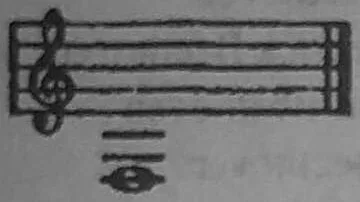
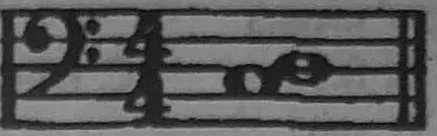
What alphabet is the ledger line with a note in Fig. 2.1?
Explanation The note sits on the third ledger line below the treble stave: first line = C, second = A, third = F.
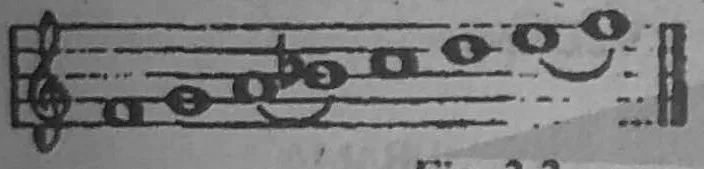
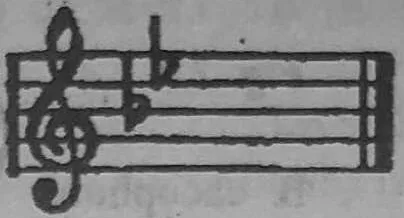
What ‘major key’ is the scale in Fig. 2.2?
Explanation The scale has one flat (B♭) in the signature/accidental and runs F–G–A–B♭–C–D–E–F, i.e. F major.
The letter-names of bass stave spaces are ____.
A. A, C, E, GCorrect B. E, G, B, D, FC. F, A, C, ED. G, B, D, F, AExplanation Bass stave spaces from bottom to top: A, C, E, G (lines are G B D F A).
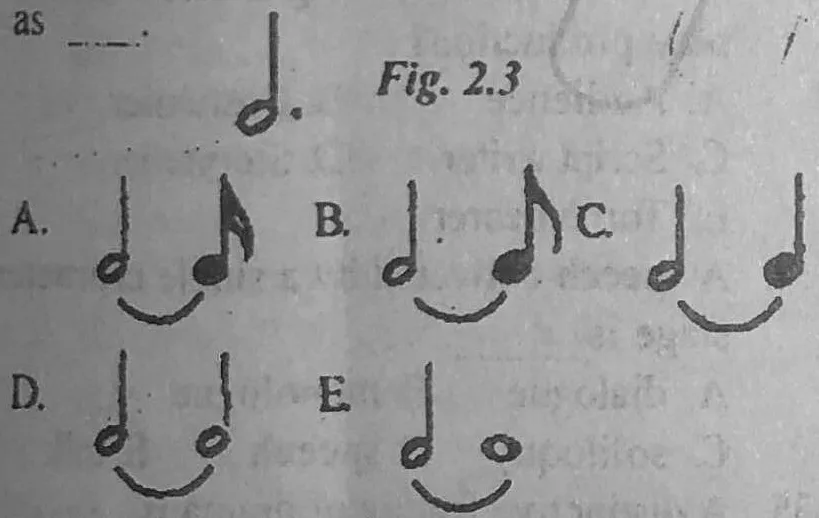
The dotted note in Fig. 2.3 can also be written as ____.
A. (shown in diagram)B. (shown in diagram)C. (shown in diagram)Correct D. (shown in diagram)Explanation A dotted minim (3 beats) equals a minim tied to a crotchet; option C shows a minim tied to a crotchet.
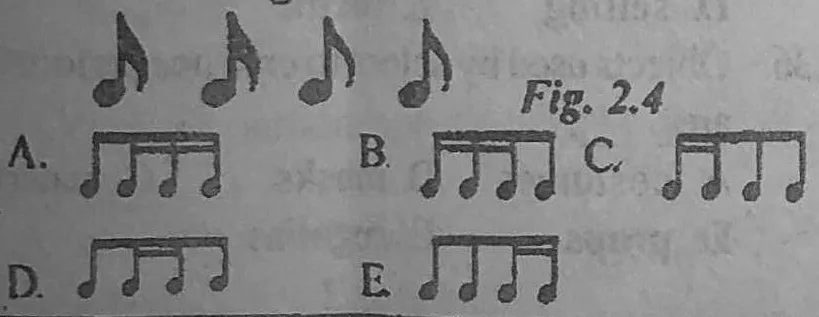
Which of the following groupings represents the notes in Fig. 2.4?
A. (shown in diagram)Correct B. (shown in diagram)C. (shown in diagram)D. (shown in diagram)Explanation Four semiquavers are beamed together with a double beam; the matching grouping is the option with four notes under double beams.
A major triad consists of the ____
A. root, second and fourth.B. root, second and third.C. root, third and fifth.Correct D. second, third and fourth.Explanation A triad is built on the root, third and fifth notes of the scale.
The interval in Fig. 2.5 is a ____.
A. 2ndB. 3rdCorrect C. 4thD. 5thExplanation Count the letter names from the lower to the upper note, including both: the two notes are a third apart.
What ‘major key’ is represented in Fig. 2.6?
A. B♭Correct B. CC. DD. E♭Explanation The signature has two flats, B♭ and E♭, which is B♭ major.
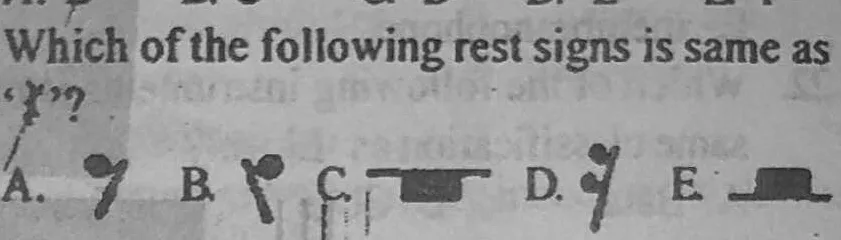
Which of the following rest signs is same as the rest sign shown in the diagram?
A. (shown in diagram)Correct B. (shown in diagram)C. (shown in diagram)D. (shown in diagram)Explanation The rest in the question is matched by the option showing the same symbol.
The minim rest has ____ beats.
Explanation A minim is worth 2 crotchet beats, so its rest also lasts 2 beats.
The second tetrachord of the scale in Fig. 2.7 starts from ____.
Explanation A major scale splits into two tetrachords of 4 notes; the second one starts on the 5th degree of the scale.
How many semiquavers equal one minim?
Explanation Minim = 2 crotchets = 4 quavers = 8 semiquavers.
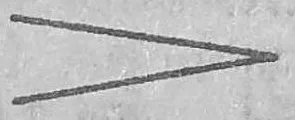
Identify the musical sign in Fig. 2.8.
A. CrescendoB. DecrescendoCorrect C. FermataD. StaccatoExplanation The hairpin narrows to the right (>), meaning gradually softer: decrescendo.
Social music is used for ____.
A. educationB. entertainmentCorrect C. fightingD. paradeExplanation Social music is performed at social gatherings for enjoyment and entertainment.
Therapeutic music is mainly for ____.
A. advertisementB. entertainmentC. healingCorrect D. jingleExplanation Therapeutic music is used to heal and relax.
The technical name for ‘fah’ is ____.
A. dominantB. mediantC. subdominantCorrect D. supertonicExplanation In tonic sol-fa, fah is the 4th degree, the subdominant.
Which of the following cadences has chord progression ‘V-I’?
A. AmenB. ImperfectC. InterruptedD. PerfectCorrect Explanation V–I is the perfect cadence (IV–I is plagal, V–VI interrupted, I–V imperfect).
The term ‘Allegro’ means ____.
A. endB. fastCorrect C. loudD. slowExplanation Allegro is an Italian tempo term meaning fast and lively.
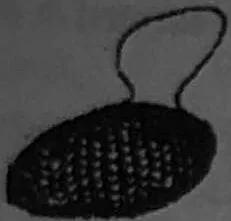
The musical instrument in Fig. 2.9 is a/an
A. aerophone.B. cacophone.C. chordophone.D. idiophone.Correct Explanation The gourd shaker with a net of beads (shekere) makes sound by its own body vibrating, so it is an idiophone.
Which of the following instruments is of the same classification as ‘Ekwe’?
A. BataB. GogeC. IshakaCorrect D. MoloExplanation Ekwe (wooden slit drum) is an idiophone. Ishaka (shaker) is also an idiophone; Bata is a membranophone, Goge and Molo chordophones, Oja an aerophone.
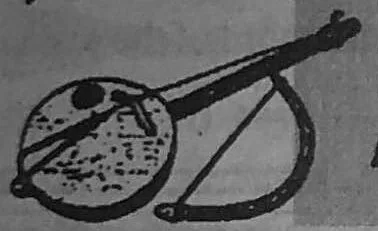
Identify the instrument in Fig. 2.10.
A. AgidigboB. EkweC. GojeCorrect D. SekereExplanation A one-string bowed lute with a calabash resonator and bow is the goje.
Which of the following is a brass instrument?
A. ClarinetB. MarimbaC. TrumpetCorrect D. ViolaExplanation The trumpet is a brass instrument; clarinet is woodwind, marimba is percussion, viola and violin are strings.
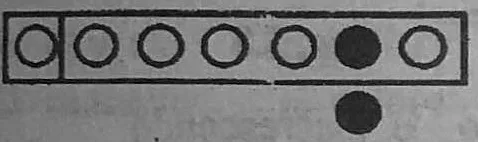
What key is represented by the recorder fingering chart in Fig. 2.11?
Explanation Read the filled holes against the recorder fingering chart to identify the note/key.
The first professor of music in Nigeria is ____.
A. Ayo BankoleB. Ben OdiaseC. Dayo DedekeD. Laz EkwuemeCorrect Explanation Laz Ekwueme became Nigeria's first professor of music.
Who among the following is a Nigerian “popular musician”?
A. Akin EubaB. Fela SowandeC. Henry PurcelD. Sam AkpabotExplanation Tiwa Savage performs popular music; the others are art/classical composers.
Baroque period was dated ____.
A. 1600-1700B. 1600-1710C. 1600-1720D. 1600-1750Correct Explanation The Baroque period ran from about 1600 to 1750.
The full name of a popular classical composer, Beethoven was ____.
A. Franz BeethovenB. Fredrick BeethovenC. George Fredrick BeethovenD. Ludwig van BeethovenCorrect Explanation Ludwig van Beethoven.
The song ‘BUGA’ is accredited to ____.
A. 2faceB. Ayra StarC. Bella ShmurdaD. DavidoExplanation ‘Buga’ is a song by Kizz Daniel.
A playwright is also known as a/an ____.
A. authorB. designerC. dramatistCorrect D. performerExplanation A playwright writes plays, so is also called a dramatist.
Theatre for development can bring about ____ in the society.
A. changeCorrect B. conflictC. discordD. instabilityExplanation Theatre for development is used to promote positive social change.
Which of the following is not a member of play production?
A. AudienceCorrect B. CostumierC. Script writerD. StorytellerExplanation Costumier and script writer are production crew; the audience only watches and is not part of the production team.
A speech delivered by a single character on stage is ____.
A. dialogueB. monologueCorrect C. soliloquyD. speechExplanation A speech by one character is a monologue (a dialogue is between two or more).
A distinctive feature of drama is ____.
A. characterB. dialogueCorrect C. plotD. settingExplanation Dialogue (speech between characters) is the feature that distinguishes drama from other literary forms.
Objects used by actors to enhance performance are ____.
A. costumesB. masksC. materialsD. propsCorrect Explanation Properties (props) are objects handled by actors on stage.
The part closest to the audience in theatre is ____ stage.
A. backB. centreC. downCorrect D. rightExplanation Down stage is the area nearest the audience.
An African playwright in this list is ____.
A. August WilsonB. George OrwellC. Hellman LilianD. John James OsborneExplanation J. P. Clark is a Nigerian playwright; the others are American or British.
The highest point of conflict in a play is ____.
A. climaxCorrect B. epilogueC. interludeD. resolutionOld-age design in theatrical performance is an example of ____.
A. beautificationB. character makeupCorrect C. costumeD. fashion designExplanation Making an actor look old is character makeup.
A professional who creates and applies cosmetics suitable to the characters’ roles is a ____.
A. character makeupB. costumierC. dramatistD. fine artistExplanation Makeup artist.
Which of the following is a type of drama?
A. BiographyB. ElegyC. EpicD. LetterExplanation Tragedy is a main type of drama; biography, elegy and letter are other literary forms.
The following are types of stage in the theatre except ____.
A. arenaB. prosceniumC. protrudedCorrect D. thrustExplanation The stage types are arena, proscenium, thrust and transverse; ‘protruded’ is not one.
Drama originated from ____.
A. AmericaB. FranceC. GermanyD. GreeceCorrect Explanation Drama began in ancient Greece.
The last rehearsal before production is ____.
A. blockingB. characterisationC. cueD. dress/techCorrect Explanation The dress/tech rehearsal is the final one before performance.
Wole Soyinka is a/an ____ playwright.
A. classicalB. contemporaryCorrect C. medievalD. modernExplanation Soyinka is a contemporary (20th/21st-century) playwright.
A dramatic action that ends light-heartedly is ____.
A. comedyCorrect B. farceC. melodramaD. satireExplanation A comedy ends happily.
Another name for unscripted drama is ____.
A. improvisationCorrect B. manuscriptC. mimingD. one-act playExplanation Improvisation.
One of the importance of theatre for development is ____.
A. communication skillsCorrect B. ethnicityC. physical growthD. storytellingExplanation TfD uses drama to improve communication and awareness in a community.
A performance that is full of gestures and speechless actions is ____.
A. balletB. choreographyC. mimeCorrect D. orchestraExplanation Mime tells a story through gestures without words.
Whose responsibility is it to oversee a dance production?
A. Artistic producerB. ChoreographerCorrect C. DirectorD. PrompterExplanation The choreographer designs and supervises the dance production.
A major way of eliminating monotony in dance is to ____ the movement.
A. changeB. modifyC. reworkD. sequenceExplanation Varying the movement removes monotony.
The speed of beats to a dance movement is ____.
A. crescendoB. driveC. rapidifyD. rhythmExplanation Tempo is the speed of the beat.
The highpoint of a dance performance is ____.
A. anti-climaxB. climaxCorrect C. denouementD. expositionA major feature of contemporary dance movement is the act of ____.
A. acrobaticsB. gestureC. improvisationCorrect D. mimeExplanation Contemporary dance relies on free, improvised movement.
Which of the following is not a dance creating part of the body?
A. EyeCorrect B. HandsC. HipsD. LegsExplanation Hands, hips, legs and neck create dance movement; the eye is not a dance-creating part.
Modern dance movement is very ____.
A. energeticCorrect B. physicalC. somaticD. spiritualExplanation Modern dance is energetic.
The popular breakdance originated from ____.
A. BrazilB. EnglandC. IndiaD. NigeriaExplanation Breakdance began in New York, USA.
Ukwata dance is a popular dance from ____ State.
A. DeltaCorrect B. EdoC. EnuguD. KanoExplanation Ukwata is a popular dance of Delta State.
Which of the following is an African dance?
A. BataCorrect B. HakaC. PolkaD. SalsaExplanation Bata is a Yoruba (Nigerian) dance; haka is Māori, polka Czech, salsa Latin American and samba Brazilian.
Sign up free to unlock …and/or go further with premium services and No Ads .