All 100 questions from the Junior Secondary Certificate Examination (JSCE) Arabic Language 2024 Objective paper, with the correct answer and a full explanation for each. Free, no signup needed.
اِقْرَأِ الْقِطْعَةَ وَأَجِبْ عَنِ الْأَسْئِلَةِ التَّالِيَةِ. إِلَى الْمَلْعَبِ وَإِلَى الْمَطْعَمِ
عُثْمَانُ: السَّلَامُ عَلَيْكُمْ
عَاطِفٌ: وَعَلَيْكُمُ السَّلَامُ
عُثْمَانُ: مِنْ أَيْنَ أَنْتَ قَادِمٌ؟
عَاطِفٌ: أَنَا قَادِمٌ مِنَ الْمَلْعَبِ
عُثْمَانُ: لِمَاذَا يَبْحَثُ طَارِقٌ عَنْكَ؟
عَاطِفٌ: لِيَلْعَبَ مَعِي
عُثْمَانُ: هَلْ تَذْهَبُ مَعِي إِلَى الْمَلْعَبِ؟
عَاطِفٌ: لَا، أَنَا ذَاهِبٌ إِلَى الْمَطْعَمِ لِأَتَنَاوَلَ الْغَدَاءَ ثُمَّ أَحْضُرُ إِلَى الْمَلْعَبِ
عُثْمَانُ: حَسَنًا
عَاطِفٌ: بَارَكَ اللَّهُ فِيكَ
مِنْ أَيْنَ قَادِمٌ عَاطِفٌ؟
A. مِنَ الْمَلْعَبِCorrect B. مِنَ الْبَيْتِC. مِنَ الْمَسْجِدِD. مِنَ الْمَتْحَفِExplanation عَاطِفٌ قَالَ: أَنَا قَادِمٌ مِنَ الْمَلْعَبِ.
مَنْ يَبْحَثُ عَنْ عُثْمَانَ؟
A. مَاجِدٌB. عَامِرٌC. حَامِدٌD. طَارِقٌCorrect Explanation في الحوار: لِمَاذَا يَبْحَثُ طَارِقٌ عَنْكَ؟ فَطَارِقٌ هُوَ الَّذِي يَبْحَثُ.
لِمَاذَا يَبْحَثُ طَارِقٌ عَنْ عُثْمَانَ؟
A. لِيَدْرُسَ مَعَهُB. لِيَلْعَبَ مَعَهُCorrect C. لِيَجْلِسَ مَعَهُD. لِيَذْهَبَ مَعَهُExplanation الْجَوَابُ فِي الْقِطْعَةِ: لِيَلْعَبَ مَعِي.
هَلْ يَذْهَبُ عُثْمَانُ إِلَى الْمَلْعَبِ؟
A. مُمْكِنٌB. لَاC. أَبَدًاD. نَعَمْCorrect Explanation عُثْمَانُ سَأَلَ عَاطِفًا أَنْ يَذْهَبَ مَعَهُ إِلَى الْمَلْعَبِ، فَهُوَ ذَاهِبٌ إِلَيْهِ.
إِلَى أَيْنَ يَذْهَبُ عَاطِفٌ؟
A. إِلَى الْمَدْرَسَةِB. إِلَى الْمَقْهَىC. إِلَى الْمَطْعَمِCorrect D. إِلَى الْمَلْعَبِExplanation قَالَ عَاطِفٌ: أَنَا ذَاهِبٌ إِلَى الْمَطْعَمِ.
لِمَاذَا يَذْهَبُ عَاطِفٌ إِلَى الْمَطْعَمِ؟
A. لِيَتَنَاوَلَ الْغَدَاءَCorrect B. لِيَتَنَاوَلَ الْفُطُورَC. لِيَتَنَاوَلَ الْعَشَاءَD. لِيَتَنَاوَلَ الْخُضْرَوَاتِExplanation لِأَتَنَاوَلَ الْغَدَاءَ فِي الْقِطْعَةِ.
مَا مَعْنَى "الْمَطْعَمِ"؟
A. HouseB. SchoolC. FieldD. RestaurantCorrect Explanation الْمَطْعَمُ هُوَ مَكَانُ الطَّعَامِ، أَيْ restaurant.
مَا مَعْنَى "الْمَلْعَبِ"؟
A. RestaurantB. FieldCorrect C. SchoolD. HouseExplanation الْمَلْعَبُ هُوَ مَكَانُ اللَّعِبِ، أَيْ playing field.
مَا مَعْنَى "حَسَنًا"؟
A. UnfortunateB. UndoneC. AlrightCorrect D. UnacceptableExplanation حَسَنًا تَعْنِي: حَسَنٌ، مُوَافِقٌ (alright).
مَا مَعْنَى "بَارَكَ اللَّهُ فِيكَ"؟
A. May Allah bless youCorrect B. May Allah honour youC. May Allah bless usD. May Allah honour usExplanation بَارَكَ اللَّهُ فِيكَ: May Allah bless you.
عَيِّنِ الْفَاعِلَ (Identify the Subject): ذَهَبَ عَلِيٌّ إِلَى الْمَدْرَسَةِ
A. الْمَدْرَسَةِB. ذَهَبَC. عَلِيٌّCorrect D. إِلَىExplanation الْفَاعِلُ هُوَ مَنْ قَامَ بِالْفِعْلِ: عَلِيٌّ.
عَيِّنِ الْفَاعِلَ (Identify the Subject): تَكْتُبُ الْمُعَلِّمَةُ عَلَى السَّبُّورَةِ
A. تَكْتُبُB. الْمُعَلِّمَةُCorrect C. عَلَىD. السَّبُّورَةِExplanation الْفَاعِلُ هُوَ الْمُعَلِّمَةُ.
عَيِّنِ الْفَاعِلَ (Identify the Subject): يُغَنِّي الطِّفْلُ فِي الْحَدِيقَةِ
A. يُغَنِّيB. الْحَدِيقَةِC. فِيD. الطِّفْلُCorrect Explanation الْفَاعِلُ هُوَ الطِّفْلُ.
عَيِّنِ الْفَاعِلَ (Identify the Subject): يَرْقُصُ الْأَوْلَادُ فِي فِنَاءِ الْمَدْرَسَةِ
A. الْأَوْلَادُCorrect B. يَرْقُصُC. فِيD. فِنَاءِ الْمَدْرَسَةِExplanation الْفَاعِلُ هُوَ الْأَوْلَادُ.
عَيِّنِ الْفَاعِلَ (Identify the Subject): رَكِبَ عُمَرُ الدَّرَّاجَةَ
A. هِنْدٌB. مَرْيَمُC. عُمَرُCorrect D. زَيْنَبُExplanation الْفَاعِلُ هُوَ عُمَرُ.
عَيِّنِ الْمَفْعُولَ بِهِ (Identify the Object): يَسْكُبُ الطَّالِبُ الْمَاءَ فِي الْكَأْسِ
A. يَسْكُبُB. فِيC. الْكَأْسِD. الْمَاءَCorrect Explanation الْمَفْعُولُ بِهِ مَنْصُوبٌ: الْمَاءَ.
عَيِّنِ الْمَفْعُولَ بِهِ (Identify the Object): قَرَأْتُ الْكِتَابَ
A. قَرَأْتُB. الْكِتَابَCorrect C. الْكَأْسِD. تُExplanation الْمَفْعُولُ بِهِ هُوَ الْكِتَابَ.
عَيِّنِ الْمَفْعُولَ بِهِ (Identify the Object): يَدْرُسُ الطُّلَّابُ الدَّرْسَ
A. يَدْرُسُB. الطُّلَّابُC. الدَّرْسَCorrect D. الْكَأْسِExplanation الْمَفْعُولُ بِهِ هُوَ الدَّرْسَ.
عَيِّنِ الْمَفْعُولَ بِهِ (Identify the Object): يَقْرَأُ الْمُدَرِّسُ الْجَرِيدَةَ
A. الْجَرِيدَةَCorrect B. الطُّلَّابُC. يَقْرَأُD. الْمُدَرِّسُExplanation الْمَفْعُولُ بِهِ هُوَ الْجَرِيدَةَ.
عَيِّنِ الْمَفْعُولَ بِهِ (Identify the Object): فَتَحَ إِبْرَاهِيمُ الْبَابَ
A. إِبْرَاهِيمُB. الْبَابَCorrect C. الدَّرْسَD. فَتَحَExplanation الْمَفْعُولُ بِهِ هُوَ الْبَابَ.
عَيِّنِ الْمُضَافَ إِلَيْهِ (Identify the Possessor): كِتَابُ الطَّالِبِ
A. الطَّالِبِCorrect B. كِتَابُC. مُفِيدٌD. إِبْرَاهِيمُExplanation الْمُضَافُ إِلَيْهِ مَجْرُورٌ: الطَّالِبِ.
عَيِّنِ الْمُضَافَ إِلَيْهِ (Identify the Possessor): بَيْتُ الْجَارِ
A. بَيْتُB. الْمُدَرِّسِC. كَبِيرٌD. الْجَارِCorrect Explanation الْمُضَافُ إِلَيْهِ هُوَ الْجَارِ.
Which of the following pairs correctly represents الْمُضَاف (Al-Mudaf) and الْمُضَاف إِلَيْه (Al-Mudaf ilayh)?
A. الْبَيْتُ (house) - كَبِيرٌ (big)B. الْمَدْرَسَةِ (school) - كِتَابٌ (book)Correct C. الطَّالِبُ (Student) - الْكِتَابِ (book)D. الْمُعَلِّمُ (teacher) - اللُّغَةِ (language)Explanation Only the pair in B forms a noun possession phrase (the book of the school); the others are noun + adjective or both have al-.
In the phrase "بَيْتُ الْوَالِدَيْنِ" (the house of the parents), what is الْمُضَاف (Al-Mudaf)?
A. بَيْتُ (house)Correct B. الْوَالِدَيْنِ (the parents)C. ال (The)D. بَيْتُ الْوَالِدَيْنِ (the house of parents)Explanation The first word of the idafa is the mudaf: بَيْتُ.
Which part of speech usually functions as الْمُضَاف (Al-Mudaf)?
A. AdjectiveB. VerbC. NounCorrect D. AdverbExplanation A mudaf is always a noun.
In the phrase "سَيَّارَةُ أَحْمَدَ" (Ahmad's car), what is الْمُضَاف (Al-Mudaf)?
A. أَحْمَدَ (Ahmad)B. سَيَّارَةُ (car)Correct C. ال (the)D. سَيَّارَةُ أَحْمَدَ (Ahmad's car)Explanation The possessed noun, the car, is the mudaf.
عَيِّنِ الْمُضَافَ (Identify "the Possessed"): In the phrase "كِتَابُ الطَّالِبِ" (the student's book), what is الْمُضَاف (Al-Mudaf)?
A. الطَّالِبِ (the book)B. ال (the)C. الطَّالِبِ (the student)D. كِتَابُ (book)Correct Explanation The possessed noun is كِتَابُ (book).
Which of the following phrases contains an الْمُضَاف (Al-Mudaf)?
A. الْمُعَلِّمُ الْجَدِيدُ (The new teacher)B. قِرَاءَةُ الْكِتَابِ (Reading of the book)Correct C. سَيَّارَةٌ كَبِيرَةٌ (A big car)D. طَالِبٌ جَيِّدٌ (A good student)Explanation قِرَاءَةُ الْكِتَابِ is an idafa; the others are noun + adjective.
Identify the الْمُضَاف (Al-Mudaf) in the phrase "عَبْدُ اللَّهِ" (the servant of Allah).
A. عَبْدُ (Servant)Correct B. ال (the)C. اللَّهِ (Allah)D. الرَّحْمَنِ (Allah)Explanation The first word, عَبْدُ, is the mudaf.
Which part of the phrase "مَدْرَسَةُ الْأَطْفَالِ" (Children's School) functions as الْمُضَاف (Al-Mudaf)?
A. مَدْرَسَةُ (School)Correct B. ال (the)C. الْأَطْفَالِ (the children)D. الْمَدْرَسَةِ (the school)Explanation مَدْرَسَةُ is the first word of the idafa, so it is the mudaf.
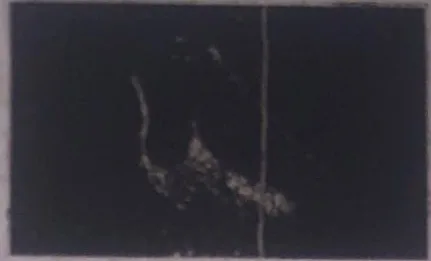
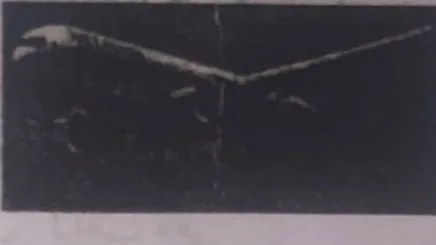
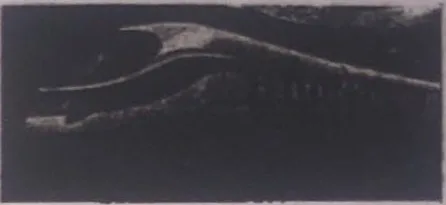
(Picture) هَذِهِ الصُّوَرُ الثَّلَاثُ فِي الْأَسْئِلَةِ 31-33.
A. طَائِرَةٌB. قِطَارٌC. دَرَّاجَةٌD. طَيْرٌCorrect Explanation The picture shows a bird.
(Picture) هَذِهِ الصُّوَرُ الثَّلَاثُ فِي الْأَسْئِلَةِ 31-33.
A. دَرَّاجَةٌB. قِطَارٌC. طَائِرٌD. طَيْرٌCorrect Explanation The picture shows a bird.
(Picture) هَذِهِ الصُّوَرُ الثَّلَاثُ فِي الْأَسْئِلَةِ 31-33.
A. قِطَارٌB. طَائِرَةٌCorrect C. دَرَّاجَةٌD. طَيْرٌExplanation The picture shows an aeroplane.
مَا هِيَ أَسْمَاءُ الْإِشَارَةِ فِي الْآتِيَةِ (Identify the Demonstrative Pronouns): تِلْكَ الطَّالِبَةُ مُجْتَهِدَةٌ
A. شَاكِرَةٌB. الطَّالِبَةُC. مُجْتَهِدَةٌD. تِلْكَCorrect Explanation تِلْكَ is the demonstrative for a feminine singular far noun.
مَا هِيَ أَسْمَاءُ الْإِشَارَةِ (Identify the Demonstrative Pronouns): ذَلِكَ الْوَلَدُ شُجَاعٌ
A. الْوَلَدُB. ذَلِكَCorrect C. شُجَاعٌD. جَبَانٌExplanation ذَلِكَ is the demonstrative for a masculine singular far noun.
مَا هِيَ أَسْمَاءُ الْإِشَارَةِ (Identify the Demonstrative Pronouns): هَؤُلَاءِ الْأَطْفَالُ مَسْرُورُونَ
A. الْأَطْفَالُB. مَسْرُورُونَC. هَؤُلَاءِCorrect D. قَوْلُونَExplanation هَؤُلَاءِ points to plural near nouns.
What is the first letter in the Arabic Alphabet? (مَا هُوَ الْحَرْفُ الْهِجَائِيُّ الْأَوَّلُ فِي اللُّغَةِ الْعَرَبِيَّةِ؟)
Explanation The Arabic alphabet begins with alif (أ).
What letter comes after "ج"? (مَا هُوَ الْحَرْفُ الَّذِي يَأْتِي بَعْدَ "ج"؟)
Explanation The order is ج ح خ.
What letter comes before "و"? (مَا هُوَ الْحَرْفُ الَّذِي يَأْتِي قَبْلَ "و"؟)
Explanation The order is ن هـ و.
What letter comes after letter "ش"? (مَا هُوَ الْحَرْفُ الَّذِي يَأْتِي بَعْدَ "ش"؟)
Explanation The order is س ش ص.
Identify Shamsiyyah letters in the lists provided in questions 41-44.
Explanation ت is a sun letter (shamsiyyah).
Identify Shamsiyyah letters in the lists provided in questions 41-44.
Explanation س is a sun letter.
Identify Shamsiyyah letters in the lists provided in questions 41-44.
Explanation ل is a sun letter.
Identify Shamsiyyah letters in the lists provided in questions 41-44.
Explanation ش is a sun letter.
Identify Qamariyyah letters in the lists provided in questions 45-48.
Explanation و is a moon letter.
Identify Qamariyyah letters in the lists provided in questions 45-48.
Explanation خ is a moon letter.
Identify Qamariyyah letters in the lists provided in questions 45-48.
Explanation هـ is a moon letter.
Identify Qamariyyah letters in the lists provided in questions 45-48.
Explanation ع is a moon letter.
أَسْمَاءُ الْمَوْصُولِ (Relative Pronouns): الطَّالِبُ الَّذِي حَصَلَ عَلَى الْمَرْتَبَةِ الْأُولَى.
A. عَلَىB. حَصَلَC. الَّذِيCorrect D. الطَّالِبُExplanation الَّذِي is the relative pronoun.
أَسْمَاءُ الْمَوْصُولِ (Relative Pronouns): الْفَتَاةُ الَّتِي قَدِمَتْ مَعَنَا إِلَى الْحَفْلَةِ.
A. الَّتِيCorrect B. الْحَفْلَةِC. الْفَتَاةُD. قَدِمَتْExplanation الَّتِي is the relative pronoun.
أَسْمَاءُ الْمَوْصُولِ (Relative Pronouns): الْكِتَابُ الَّذِي نَسِيتُهُ فِي الْبَيْتِ.
A. الْكِتَابُB. فِيC. الْبَيْتِD. الَّذِيCorrect Explanation الَّذِي is the relative pronoun.
أَسْمَاءُ الْمَوْصُولِ (Relative Pronouns): السَّيَّارَةُ الَّتِي تَرْغَبُ بِشِرَائِهَا.
A. السَّيَّارَةُB. الَّتِيCorrect C. تَرْغَبُD. بِشِرَائِهَاExplanation الَّتِي is the relative pronoun.
أَسْمَاءُ الْمَوْصُولِ (Relative Pronouns): هُمُ الْأَصْدِقَاءُ الَّذِينَ يَزُورُونَكَ.
A. الَّذِينَCorrect B. الْأَصْدِقَاءُC. يَزُورُونَكَD. هُمْExplanation الَّذِينَ is the relative pronoun.
From questions 54-57, pick an example of a Verbal Sentence (جُمْلَةٌ فِعْلِيَّةٌ)?
A. الْكِتَابُ فِي الْحَقِيبَةِB. الطُّلَّابُ يَذْهَبُونَ إِلَى الْمَدْرَسَةِC. يَصْطَادُ الْأَسَدُ فِي الْغَابَةِCorrect D. الْبَيْتُ جَمِيلٌExplanation A verbal sentence begins with a verb: يَصْطَادُ.
From questions 54-57, pick an example of a Verbal Sentence (جُمْلَةٌ فِعْلِيَّةٌ)?
A. الْحَيَوَانَاتُ فِي الْغَابَةِB. تَقْرَأُ الْفَتَاةُ الْقِصَّةَCorrect C. السَّيَّارَةُ حَمْرَاءُ اللَّوْنِD. الْوَلَدُ فِي الْمَلْعَبِExplanation It begins with the verb تَقْرَأُ.
From questions 54-57, pick an example of a Verbal Sentence (جُمْلَةٌ فِعْلِيَّةٌ)?
A. الْجَدْوَلُ عَلَى الْحَائِطِB. الْقَلَمُ أَسْوَدُC. الطُّلَّابُ يَسْتَمِعُونَ لِلْمُدَرِّسِD. تَكْتُبُ الْفَتَاةُ الرِّسَالَةَCorrect Explanation It begins with the verb تَكْتُبُ.
From questions 54-57, pick an example of a Verbal Sentence (جُمْلَةٌ فِعْلِيَّةٌ)?
A. الطُّلَّابُ فِي الْفَصْلِB. يَجْلِسُ الْوَلَدُ عَلَى الْكُرْسِيِّCorrect C. الْكِتَابُ عَلَى الطَّاوِلَةِD. الصَّبِيُّ فِي الْحَفْلَةِExplanation It begins with the verb يَجْلِسُ.
From questions 58-61, pick an example of a Nominal Sentence (جُمْلَةٌ اسْمِيَّةٌ)?
A. أَكَلَ الْوَلَدُ التُّفَّاحَةَB. يَجْرِي السِّبَاقُ فِي الْحَدِيقَةِC. الْعَائِلَةُ عَلَى الْعُطْلَةِCorrect D. قَرَأَ الطُّلَّابُ الْكُتُبَExplanation A nominal sentence begins with a noun: الْعَائِلَةُ.
From questions 58-61, pick an example of a Nominal Sentence (جُمْلَةٌ اسْمِيَّةٌ)?
A. يَكْتُبُ الطَّالِبُ الْوَاجِبَB. الْوَرْدُ زَهْرَةٌ جَمِيلَةٌCorrect C. يَلْعَبُ الْأَوْلَادُ فِي الْحَدِيقَةِD. جَلَسَتِ الْأُمُّ عَلَى الْكُرْسِيِّExplanation It begins with the noun الْوَرْدُ.
From questions 58-61, pick an example of a Nominal Sentence (جُمْلَةٌ اسْمِيَّةٌ)?
A. يُسَافِرُ الطَّالِبُ إِلَى الْمَدِينَةِB. يَلْعَبُ الْأَوْلَادُ فِي الْحَدِيقَةِC. تَكْتُبُ الْأُمُّ الرِّسَالَةَD. جَمَالُ الدِّينِ وَصَالِحٌ صَدِيقَانِCorrect Explanation It begins with a noun.
From questions 58-61, pick an example of a Nominal Sentence (جُمْلَةٌ اسْمِيَّةٌ)?
A. يَذْهَبُ الْوَلَدُ إِلَى الْمَدْرَسَةِB. الْبَحْرُ جَمِيلٌ فِي الصَّيْفِCorrect C. تَرْتَدِي الْفَتَاةُ الْفُسْتَانَ الْأَحْمَرَD. يَكْتُبُ الْأُسْتَاذُ الْوَاجِبَExplanation It begins with the noun الْبَحْرُ.
What is the response to "السَّلَامُ عَلَيْكُمْ"?
A. مَرْحَبًاB. كَيْفَ حَالُكَ؟C. وَعَلَيْكُمُ السَّلَامُCorrect D. شُكْرًاExplanation The reply to the greeting is وَعَلَيْكُمُ السَّلَامُ.
How do you say "Welcome" in Arabic?
A. مَعَ السَّلَامَةِB. مَرْحَبًاCorrect C. مَسَاءُ الْخَيْرِD. صَبَاحُ الْخَيْرِExplanation مَرْحَبًا means welcome.
How do you say "Good evening" in Arabic?
A. صَبَاحُ الْخَيْرِB. مَرْحَبًاC. أَهْلًاD. مَسَاءُ الْخَيْرِCorrect Explanation مَسَاءُ الْخَيْرِ means good evening.
How do you say "Bye" in Arabic?
A. مَعَ السَّلَامَةِCorrect B. مَسَاءُ الْخَيْرِC. صَبَاحُ الْخَيْرِD. أَهْلًاExplanation مَعَ السَّلَامَةِ means goodbye.
What is the response to "صَبَاحُ الْخَيْرِ"?
A. مَسَاءُ الْخَيْرِB. أَهْلًاC. صَبَاحُ النُّورِCorrect D. مَرْحَبًاExplanation The reply to good morning is صَبَاحُ النُّورِ.
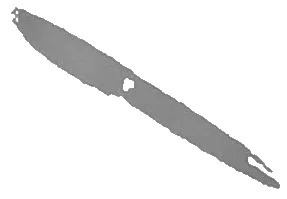
Give the name of the picture (instructional material) in Arabic. (Picture of a pen)
A. مِقَصٌّB. مِسْطَرَةٌC. سُلَّمُ رِيَاضِيَّاتٍD. قَلَمٌCorrect Explanation The picture is a pen: قَلَمٌ.
Give the name of the picture (instructional material) in Arabic. (Picture of scissors)
A. دَفْتَرٌB. مِقَصٌّCorrect C. مِمْحَاةٌD. مِسْطَرَةٌExplanation The picture is scissors: مِقَصٌّ.
Give the name of the picture (instructional material) in Arabic. (Picture of a book)
A. كِتَابٌCorrect B. قَلَمٌC. مِنْدِيلٌD. مِمْحَاةٌExplanation The picture is a book: كِتَابٌ.
Give the name of the picture (instructional material) in Arabic. (Picture of a pencil case)
A. مِفْتَاحٌB. مِلْعَقَةٌC. مَلَفٌّD. مِقْلَمَةٌCorrect Explanation The picture is a pencil case: مِقْلَمَةٌ.
Which day of the week comes after يَوْمُ الْأَحَدِ ?
A. يَوْمُ الثُّلَاثَاءِB. يَوْمُ الْإِثْنَيْنِCorrect C. يَوْمُ الْأَرْبِعَاءِD. يَوْمُ الْخَمِيسِExplanation Monday comes after Sunday.
Which day of the week comes before يَوْمُ السَّبْتِ ?
A. يَوْمُ الْأَحَدِB. يَوْمُ الْإِثْنَيْنِC. يَوْمُ الْجُمُعَةِCorrect D. يَوْمُ الْأَرْبِعَاءِExplanation Friday comes before Saturday.
From questions 73-74, identify the correct Ismu Inna (اِسْمُ إِنَّ) in the sentence: كَانَ ........ رَسُولٌ
A. الْمُعَلِّمُB. الْمُعَلِّمِC. الْمُعَلِّمَCorrect D. الْمُعَلَّمَExplanation The ismu inna is in the accusative (fatha) case.
From questions 73-74, identify the correct Ismu Inna (اِسْمُ إِنَّ) in the sentence: لَيْتَ ........ مُجْتَهِدٌ
A. الْبَلِيدَCorrect B. الْبَلِيدُC. الْبَلِيدِD. الْبَلِيدٌExplanation The ismu of ليت is accusative: الْبَلِيدَ.
Which of these nouns is masculine? (مَا هُوَ الِاسْمُ الْمُذَكَّرُ مِنَ الْأَسْمَاءِ الْآتِيَةِ؟)
A. مِسْطَرَةٌB. يَدٌC. بَيْتٌCorrect D. مَدْرَسَةٌExplanation بَيْتٌ is masculine; the others are feminine.
Choose a feminine word from the options below: (اخْتَرِ الِاسْمَ الْمُؤَنَّثَ مِنَ الْأَسْمَاءِ التَّالِيَةِ:)
A. تِلْمِيذَةٌCorrect B. مِفْتَاحٌC. قَلَمٌD. وَلَدٌExplanation تِلْمِيذَةٌ ends with ة and refers to a female.
Which month comes after Muharram? (مَا هُوَ الشَّهْرُ الَّذِي يَأْتِي بَعْدَ شَهْرِ الْمُحَرَّمِ؟)
A. رَبِيعُ الثَّانِيB. رَبِيعُ الْأَوَّلِC. صَفَرٌCorrect D. جُمَادَى الْأُولَىExplanation Safar comes after Muharram.
Which month comes before Rajab? (أَيُّ شَهْرٍ يَأْتِي قَبْلَ شَهْرِ رَجَبٍ فِي التَّقْوِيمِ الْهِجْرِيِّ؟)
A. جُمَادَى الثَّانِيَةِCorrect B. رَمَضَانُC. شَوَّالٌD. شَعْبَانُExplanation Jumada al-Akhira comes before Rajab.
الْمَدْرَسَةُ مِثَالٌ لِـ ______
A. الِاسْمِ الْمُذَكَّرِB. الِاسْمِ الْمُؤَنَّثِCorrect C. الِاسْمِ الْمُنَكَّرِD. الِاسْمِ الْمُثَنَّىExplanation مَدْرَسَةٌ is a feminine noun.
All these are feminine nouns except ....... (جَمِيعُ الْأَسْمَاءِ الْآتِيَةِ مُؤَنَّثَةٌ إِلَّا .......)
A. مَكْتَبَةٌB. مِلْعَقَةٌC. مِسْطَرَةٌD. أَحْمَدُCorrect Explanation أَحْمَدُ is a masculine name.
From questions 81-83, choose the correct dual form (مُثَنَّى) of: كِتَابٌ
A. كَتَبُواB. كِتَابَانِCorrect C. كَاتِبٌD. كُتُبٌExplanation The dual of كِتَابٌ is كِتَابَانِ.
From questions 81-83, choose the correct dual form (مُثَنَّى) of: شَجَرَةٌ
A. أَشْجَارٌB. شَاجِرٌC. شَجَرَاتٌD. شَجَرَتَانِCorrect Explanation The dual of شَجَرَةٌ is شَجَرَتَانِ.
From questions 81-83, choose the correct dual form (مُثَنَّى) of: بِنْتٌ
A. بَنَاتٌB. بُنُوتٌC. بِنْتَانِCorrect D. أَبْيَاتٌExplanation The dual of بِنْتٌ is بِنْتَانِ.
Change the past tense verb to the imperative form (فِعْلُ الْأَمْرِ): نَصَرَ
A. يَنْصُرُB. أَنْصُرُC. اُنْصُرْCorrect D. نَاصِرٌExplanation The imperative of نَصَرَ is اُنْصُرْ.
Change the past tense verb to the imperative form (فِعْلُ الْأَمْرِ): جَلَسَ
A. جَالِسٌB. يَجْلِسُC. اِجْلِسْCorrect D. مَجْلِسٌExplanation The imperative of جَلَسَ is اِجْلِسْ.
Change the past tense verb to the imperative form (فِعْلُ الْأَمْرِ): قَرَأَ
A. اِقْرَأْCorrect B. قَارِئٌC. تَقْرَأُD. يَقْرَأُExplanation The imperative of قَرَأَ is اِقْرَأْ.
Fill in the gap with the appropriate option: جَلَسَ عُمَرُ ........ الْمَقْعَدِ
A. إِلَىB. فِيC. مِنْD. عَلَىCorrect Explanation Sit on the seat: جَلَسَ عَلَى الْمَقْعَدِ.
Fill in the gap with the appropriate option: كَتَبَ مُحَمَّدٌ الدَّرْسَ ........ الْقَلَمِ
A. عَلَىB. فِيC. بِCorrect D. إِلَىExplanation Wrote with the pen: بِالْقَلَمِ.
Fill in the gap with the appropriate option: أَيْنَ تَذْهَبُ؟ ........
A. إِلَىCorrect B. بِC. فِيD. مِنْExplanation Go to: ذَهَبَ إِلَى.
Fill in the gap with the appropriate option: نَامَتْ فَاطِمَةُ ........ السَّرِيرِ
A. فِيB. إِلَىC. بِD. عَلَىCorrect Explanation Slept on the bed: نَامَتْ عَلَى السَّرِيرِ.
Fill in the gap with the appropriate option: يَقْرَأُ الْمُدَرِّسُ الدَّرْسَ ........ الْكِتَابِ
A. عَلَىB. فِيCorrect C. عَنْD. إِلَىExplanation Reads the lesson in the book: فِي الْكِتَابِ.
The missing number in the list below is: 77 66 __ 44 33 22
A. 88B. 77C. 55Correct D. 110Explanation The numbers go down by 11, so 55 is missing.
156 can be written in Arabic figure as ........
A. ١٥٦Correct B. ١٦٥C. ٦٥١D. ٦١٥Explanation ١ = 1, ٥ = 5, ٦ = 6.
255 in Arabic is ........
A. ٥٥٠B. ٥٢٥C. ٢٥٥Correct D. ٥٢٢Arabic consonants are ....... in number.
A. 22B. 26C. 28Correct D. 27Explanation Arabic has 28 consonant letters.
تِسْعَةٌ in English word is .........
Explanation تِسْعَةٌ means nine.
The Arabic Language has ....... short vowels.
Explanation Fatha, kasra and damma.
The equivalent vowel of /u/ sound in Arabic language is
A. فَتْحَةٌ (fatha)B. كَسْرَةٌ (kasra)C. سُكُونٌ (sukoon)D. ضَمَّةٌ (damma)Correct Explanation The damma gives the /u/ sound.
Which of these countries does not use Arabic as an official language?
A. IraqB. IranCorrect C. MoroccoD. EgyptExplanation Iran uses Persian.
Which of these countries uses Arabic as an official language?
A. PakistanB. BahrainCorrect C. AfghanistanD. BangladeshExplanation Bahrain uses Arabic.
Sign up free to unlock …and/or go further with premium services and No Ads .